


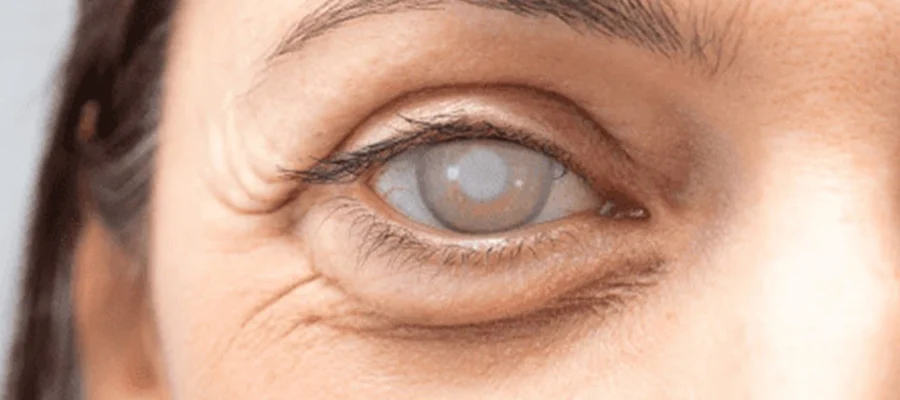
Your vision is no longer as clear as it used to be, lights bother you, and driving becomes more difficult, especially in the evening. Even after updating your glasses, your vision may still feel as though it has not fully improved. Many people experiencing these problems initially blame fatigue or spending too much time looking at screens. However, the cause may sometimes be more mechanical: the natural lens inside the eye may have started to lose its transparency. In other words, a cataract may be developing.
Cataracts usually progress slowly. This slow progression can be both an advantage and a disadvantage. Since cataracts are generally painless, they may gradually affect daily life without being noticed. However, when detected early, they can be managed in a planned way before they significantly reduce quality of life. The NHS states that cataracts develop when the lens of the eye becomes cloudy and that symptoms usually appear gradually.
In this article, the question “What happens if you have a cataract in your eye?” is explained in detail, including its symptoms, effects on vision, diagnosis process, when cataract surgery may be considered, and frequently asked questions.
What Exactly Changes Inside the Eye?
The natural lens inside the eye is located behind the iris, which is the coloured part of the eye. This lens focuses light onto the retina. The normally transparent lens may gradually become cloudy due to ageing, genetic factors, certain medical conditions, steroid use, trauma, or prolonged exposure to sunlight and UV rays. As the clouding increases, light enters the eye in a scattered way. Vision loses sharpness, contrast decreases, and glare becomes more noticeable. Therefore, the effects of cataracts are not limited to blurred vision. They may affect many details that are important in daily life.
What Are the Most Common Symptoms of Cataracts?
Cataract symptoms may vary from person to person. Even when cataracts are present in both eyes, one eye may progress more quickly than the other. The most common symptoms include blurred or cloudy vision, reduced night vision, glare, sensitivity to bright lights, halos around lights, faded colours, and frequent changes in glasses prescription. The NHS clearly lists these symptoms, while the AAO also highlights that cataracts may increase glare, particularly while driving at night.
One important detail is that cataracts usually do not cause pain. Therefore, the idea that there is no problem because there is no pain may be misleading.
What Happens If You Have a Cataract in Your Eye?
- Vision becomes less clear, and objects may appear as though they are being viewed through foggy glass.
- Light scattering increases, making car headlights, streetlights, and screens more uncomfortable.
- Night vision and contrast decrease, which may make driving at night more difficult.
- Colours may appear faded. Some people describe blue tones as looking dull or dirty.
- You may need brighter light for close-up tasks such as reading, sewing, or using a mobile phone.
- Your glasses prescription may change frequently. Although glasses may help for a while, they may gradually start to feel insufficient.
Can an Advanced Cataract Cause Blindness?
If left untreated, cataracts can significantly reduce vision and may lead to severe or even permanent vision loss. However, it is not accurate to say that cataracts inevitably cause blindness. Cataracts are among the most common and successfully treated eye conditions today. When surgery is planned at the appropriate time, vision improves significantly in many people.
Cataracts are considered one of the major causes of vision loss worldwide. The WHO includes cataracts among the leading causes of vision impairment and blindness. This highlights the seriousness of cataracts while also showing the importance of access to effective treatment.
What Causes Cataracts and Who Is at Higher Risk?
Age is the most important risk factor, and cataracts are more common in older adults. Other factors that may increase the risk include diabetes, long-term steroid use, previous eye trauma or eye surgery, prolonged UV or sunlight exposure, and smoking. The NHS lists similar risk factors.
Cataracts may develop at a younger age in some people. In such cases, identifying possible risk factors may be important for both eye health and general health.
Is a Cataract the Same as an Increased Glasses Prescription?
No. A cataract is a loss of transparency in the natural lens of the eye. Changes in glasses prescription may occur alongside cataracts, but not every change in prescription means that a cataract is present. In some types of cataracts, a person may even notice that their near vision temporarily improves. Therefore, being able to manage with glasses is not a reliable measure on its own. An eye examination is needed to assess the condition of the lens.
How Is a Cataract Diagnosed?
A cataract is usually diagnosed during a comprehensive eye examination. Visual acuity testing, examination of the lens with a slit lamp, and a dilated retinal examination may be used. The type and density of the cataract, as well as how much it affects vision, can be assessed during this examination. It is also important to determine whether the symptoms are caused by another eye condition, such as a macular problem.
Is There a Treatment for Cataracts? Can Eye Drops Remove Them?
There is currently no eye drop treatment accepted as a standard clinical method for dissolving or reversing cataracts. In the early stages, improved lighting, updated glasses, or measures to reduce glare may temporarily improve quality of life. MedlinePlus states that brighter lighting and new glasses may help at first, but surgery may be considered when cataracts begin to affect daily activities.
Question: When Should I Seek Medical Attention Without Delay?
- If you notice a clear decline in vision over a short period, such as within days or weeks.
- If you experience flashes of light, a sudden increase in floaters, or a curtain-like shadow in your vision, as these may indicate a more urgent condition.
- If reduced vision is accompanied by significant eye redness and pain, as this may require assessment for infection or another urgent eye problem.
- If double vision or halos around lights become severe enough to significantly affect your daily life.
Can Cataracts Be Prevented?
It is not possible to say that cataracts can always be completely prevented. Changes in the natural lens are very common with ageing. However, some risk factors may be reduced. Wearing sunglasses during prolonged UV exposure and avoiding smoking are sensible steps for protecting general eye health. The NHS identifies heavy unprotected sunlight exposure and smoking as cataract risk factors.
Cataracts in Children Require Separate Attention
This article mainly focuses on cataracts in adults. However, congenital cataracts in babies and children require a different level of urgency because they may affect visual development. If a white reflection or whiteness is noticed in a baby’s pupil, known as leukocoria, a paediatric eye specialist should be consulted without delay.
Frequently Asked Questions
Can Cataracts Be Corrected With Glasses?
In the early stages of cataracts, changing glasses and improving lighting may provide temporary relief. However, as clouding of the lens progresses, glasses are no longer a complete solution. MedlinePlus states that new glasses may help initially, but surgery may become necessary when cataracts begin to affect daily activities.
Do Cataracts Cause Eye Pain?
Most cataracts are painless. Therefore, a person may delay seeking medical advice because their eye does not hurt, even though their vision is getting worse. Gradual vision loss and increased sensitivity to light are more typical symptoms.
Can a Cataract Develop Suddenly?
Cataracts usually develop slowly. However, the process may progress more quickly after trauma or in certain medical conditions. A sudden change or loss of vision should always be examined because not every sudden reduction in vision is caused by a cataract.
Will My Vision Be Clear Immediately After Surgery?
Many people notice a significant improvement within a short time. However, it may take several days or weeks for the eye to heal and for vision to reach its clearest level. Following the prescribed eye drop schedule is an important part of the recovery process.
Can a Cataract Occur in Only One Eye?
Yes. However, cataracts often develop in both eyes over time. If one eye is affected much more quickly than the other, further assessment may be needed to identify additional risk factors.
Can Cataracts Return?
The same cataract does not return because the natural lens is removed during surgery. However, some people may later develop clouding of the lens capsule. This condition is sometimes called a secondary cataract and can usually be treated with a laser procedure. An eye examination can confirm the cause of the reduced vision.